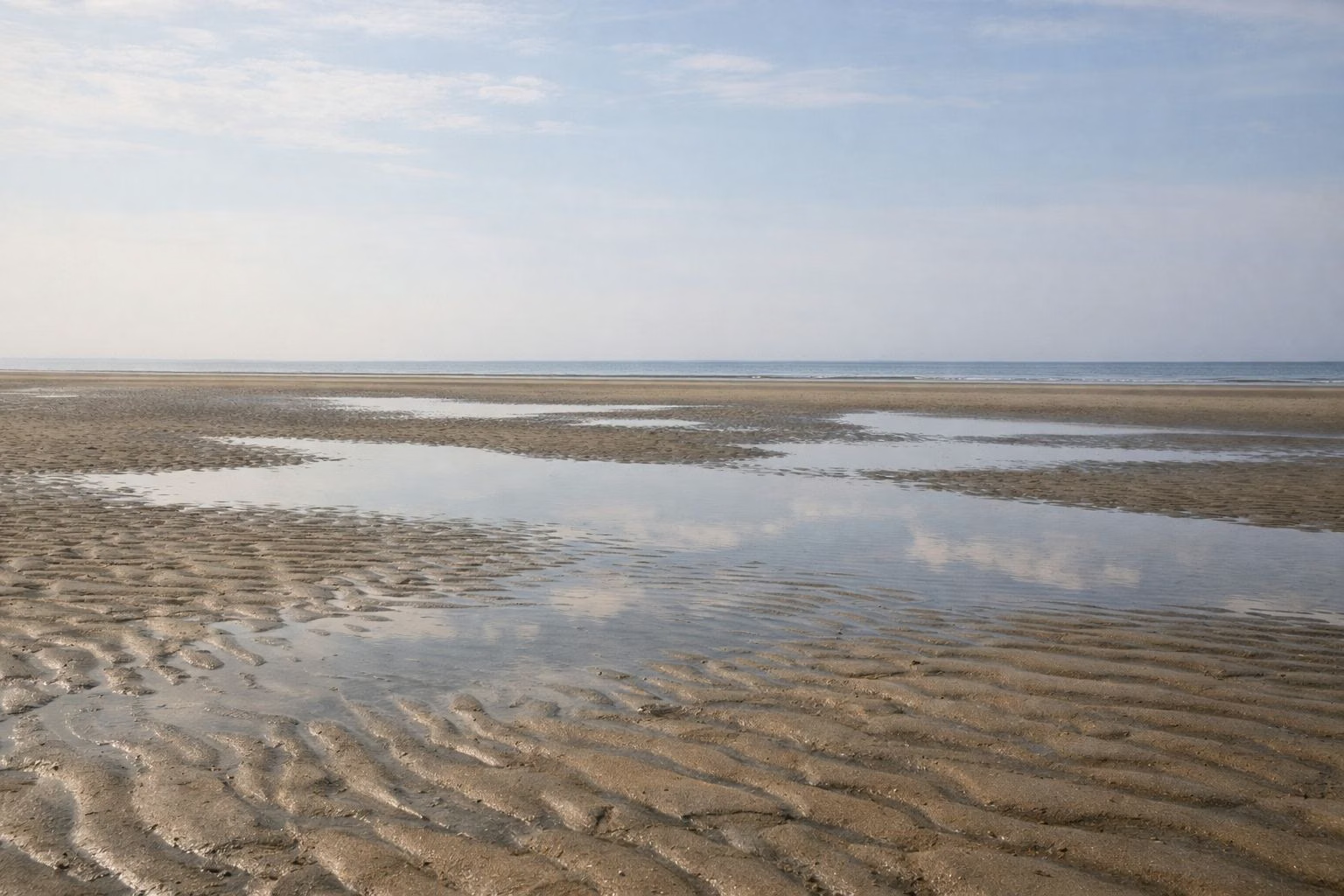
Hammonasset Beach Tides
For Hammonasset tides, use NOAA's Clinton Harbor station (8463701), in Clinton Harbor, about a mile and a half east of the middle of the park. The beach gets two high tides and two low tides a day, roughly six hours apart, and the water rises and falls about 4.5 feet on an average tide. Low tide gives you the widest beach and the tide pools at Meigs Point.
Tides at a Glance
Where to Check Today's Tide Times
- NOAA Clinton Harbor, CT (8463701): the closest official prediction point, in Clinton Harbor east of the park. Use this one for the park.
- NOAA Madison, CT (8464041): under two miles west of the park center. It's a secondary station, worked out from Bridgeport's tides: high water comes about 21 minutes before Bridgeport and low water about 30 minutes before.
NOAA's prediction pages show a daily chart and a table of high and low times and heights for any date you pick, and you can print a monthly table. Heights are in feet above mean lower low water, the average of each day's lower low tide. A low tide near zero, or below it, means more exposed sand than usual.
How the Tide Works Here
Long Island Sound has a semidiurnal tide: two highs and two lows about every 24 hours and 50 minutes, so each tide comes roughly 50 minutes later than the same tide the day before. The two highs of a day aren't the same height. On July 1, 2026, for example, NOAA predicted Clinton Harbor highs of 4.9 and 4.3 feet and lows of 0.3 and 0.9 feet.
At Clinton Harbor, NOAA's long-term average puts the gap between an average high and an average low at about 4.5 feet, and between the higher high and the lower low at about 5.1 feet. Around new and full moons, expect bigger swings.
When the Beach Is Widest
Low tide uncovers the most sand. That's the time for a long walk, for families with small children who want room to spread out, and for exploring the rocks at Meigs Point. DEEP suggests the Meigs Point Trail (1.4 miles) at low tide, when the beach is wider and the tide pools show. Our nature center page covers the trail.
At high tide, the strip of dry sand narrows. On a crowded summer afternoon that matters: if high tide falls in mid-afternoon, set up your blanket well back from the wet line.
The Singing Beach at High Tide
DEEP sends visitors to the large boulders at Meigs Point when the tide comes in. As the water moves through, thousands of small shells clink against each other. DEEP calls it the park's singing beach, with "two showings daily": the two high tides. Check the Clinton Harbor times and get there as the water rises.
Tides for Paddling and Fishing
The car-top boat launch is on the east side of the Meigs Point jetty. Check the tide before you paddle out. DEEP requires life jackets from October 1 to May 31, and children under 12 must wear one all year. The nature center also runs guided canoe trips on the river.
At Hammonasset, daytime fishing is limited to the two jetties, and night fishing opens up along the whole beach in peak season. The rules are on our fishing page.
Safety Near the Water
DEEP notes that the waves here are generally calm, but natural swimming areas can have sudden drop-offs, holes and large rocks you can't see from the surface. Swim only in the marked areas where lifeguards are posted, and watch the rocks and the jetty as the tide comes in. Check the weather and water quality too.
Hammonasset Tides FAQ
Which tide station should I use for Hammonasset Beach?
NOAA's Clinton Harbor, CT station (8463701). It's in Clinton Harbor, about a mile and a half east of the middle of the park. The Madison station (8464041) is a second option.
How big are the tides at Hammonasset?
About 4.5 feet between an average high and low, and about 5.1 feet between the day's higher high and lower low, based on NOAA's long-term figures for Clinton Harbor.
When is the best time to go to Hammonasset Beach for tide pools?
Low tide. DEEP suggests the Meigs Point Trail then, when the beach is wider and tide pools show around the rocks of Meigs Point.
What is the singing beach at Hammonasset?
DEEP's name for the large boulders at Meigs Point, where incoming tide pushes thousands of small shells together so they clink. Go as the tide rises.